
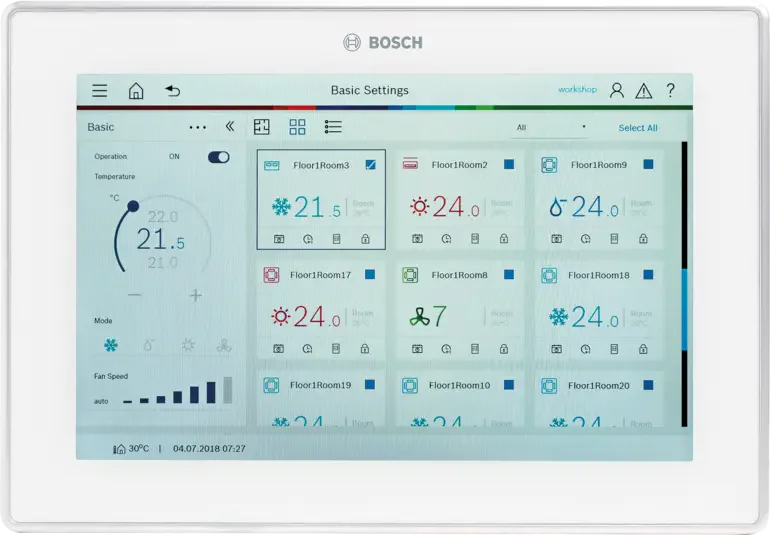
How life-cycle assessment affects VRF selection, refrigerant charge, energy consumption and equipment replacement decisions.
What does this mean for a VRF project?
The data should not be used as a stand-alone equipment selection rule. Building use, local design conditions, envelope performance, ventilation demand and operating hours must be evaluated together.
Recommended engineering approach
A reliable VRF design starts with a current load calculation and continues with manufacturer selection software, piping checks, diversity analysis and part-load performance verification.
- Use current outdoor design conditions and realistic occupancy profiles.
- Avoid both undersizing and unnecessary oversizing.
- Evaluate ventilation and heat recovery together with space conditioning.
- Check refrigerant type, total charge and long-term service strategy.
- Include metering, central control, alarms and commissioning records.
Conclusion
Each building requires a project-specific assessment. Contact the E-VRF engineering team for system comparison, capacity selection and a tailored quotation. Contact our engineering team.